How to grow Foxglove in the UK
Digitalis purpurea
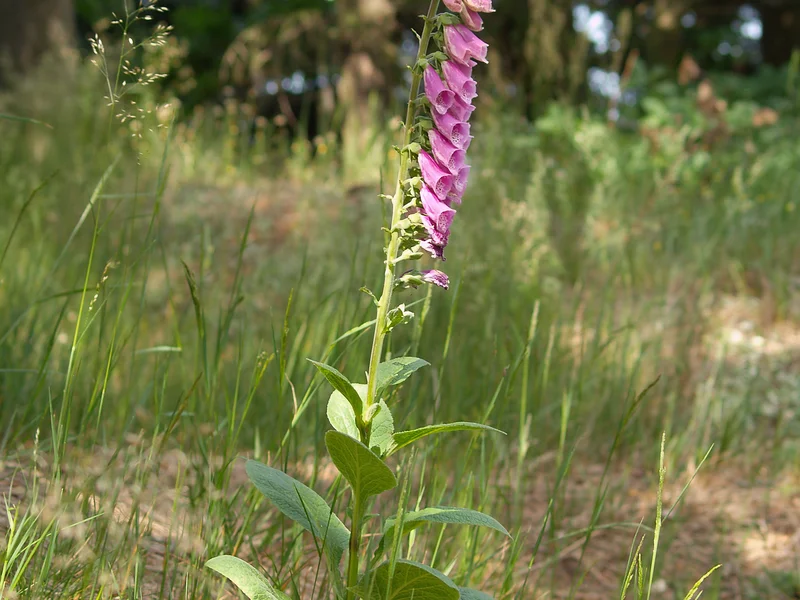
Foxglove (Digitalis purpurea) is a flower that grows well in UK gardens. Biennial — plant flowers year 2. Self-seeds happily once established. All parts toxic — wash hands. This guide covers when and how to sow Foxglove, the soil and position it likes, watering and feeding, companion planting, and when to harvest.
When to sow & grow Foxglove
Sowing and harvest window through the year (UK):
Jan | Feb | Mar | Apr Plant | May | Jun Sow | Jul | Aug | Sep Plant | Oct Plant | Nov | Dec |
Soil, position & care
- Soil
- Fertile, moisture-retentive but free-draining soil
- Soil pH
- 6.0–7.5
- Position
- Part shade, woodland edge
- Sowing depth
- Surface (needs light)
- Spacing
- 30–45 cm apart
- Sowing
- Sow summer for flowers the next year; a biennial that self-seeds
- Growing
- Easy in most soils; all parts are poisonous
- Harvest & upkeep
- Leave some spires to self-seed; cut others for a second flush
- Watch for
- Trouble-free
Companion planting for Foxglove
Grows well with:
Add Foxglove to your free 12-month plan and get watering & sowing reminders — no sign-up needed.
Foxglove FAQs
When should I sow Foxglove in the UK?
In the UK, sow Foxglove in June. Sowing across these months gives the plant the right soil temperature and day length to establish well.
What grows well with Foxglove?
Foxglove grows well alongside Apple. Good companions can deter pests, attract pollinators or make better use of space.
How much sun does Foxglove need?
Foxglove prefers dappled shade.
Is Foxglove easy to grow?
Easy — good for beginners. Biennial — plant flowers year 2. Self-seeds happily once established. All parts toxic — wash hands.