How to grow Blackcurrant in the UK
Ribes nigrum
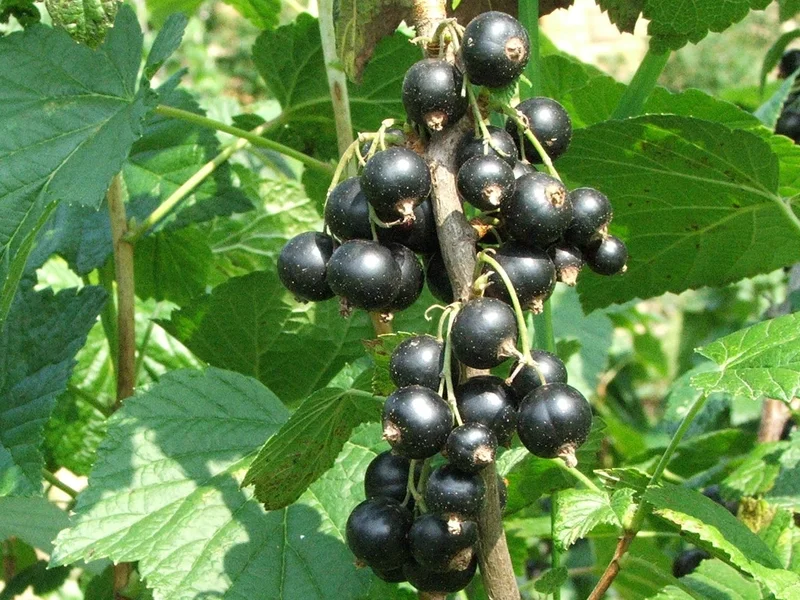
Blackcurrant (Ribes nigrum) is a fruit that grows well in UK gardens. Fruit on year-old wood — prune for new growth annually. Ben Sarek good for small spaces. This guide covers when and how to sow Blackcurrant, the soil and position it likes, watering and feeding, companion planting, and when to harvest.
When to sow & grow Blackcurrant
Sowing and harvest window through the year (UK):
Jan | Feb | Mar | Apr | May | Jun | Jul Harvest | Aug Harvest | Sep | Oct | Nov Plant | Dec |
Soil, position & care
- Soil
- Fertile, moisture-retentive, well-drained soil
- Soil pH
- 6.0–6.5
- Position
- Sun or light shade
- Sowing depth
- Plant at the nursery soil mark
- Spacing
- 1.5 m apart
- Sowing
- Plant deep (5 cm below the nursery mark) to encourage new shoots from the base
- Growing
- Mulch and feed in spring; water while fruit swells
- Harvest & upkeep
- Cut about a third of old wood to the ground each winter — fruits on young wood
- Watch for
- Big bud mite (reversion virus), birds, aphids
Companion planting for Blackcurrant
Grows well with:
Add Blackcurrant to your free 12-month plan and get watering & sowing reminders — no sign-up needed.
Blackcurrant FAQs
What grows well with Blackcurrant?
Blackcurrant grows well alongside Chives, Nasturtium. Good companions can deter pests, attract pollinators or make better use of space.
How much sun does Blackcurrant need?
Blackcurrant prefers partial sun (3–6 hrs).
When should I plant Blackcurrant in the UK?
In the UK, plant Blackcurrant in November. Planting in this window gives the roots time to establish before the plant is asked to grow away.
When is Blackcurrant ready to harvest?
Blackcurrant is typically ready to harvest in July, August in the UK.
Is Blackcurrant easy to grow?
Easy — good for beginners. Fruit on year-old wood — prune for new growth annually. Ben Sarek good for small spaces.